
Top Scams to Avoid in Popular Tourist Destinations
Travel safely! Learn how to spot and avoid the most common travel scams around the world.
TRAVEL SAFETY & SMART TRAVEL
10/5/20254 min read


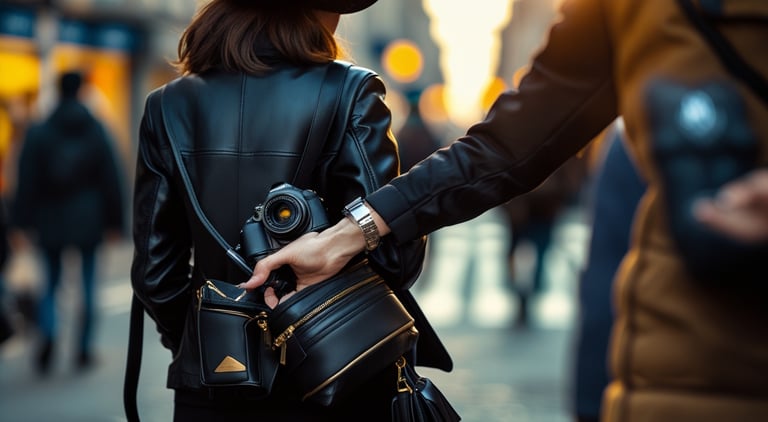
You’re wandering through a bustling street market, camera ready, the smell of street food in the air — when someone bumps into you “accidentally.” You smile, they smile… and later realize your wallet’s gone.
Scams like this happen every single day — not because travelers are careless, but because scammers are very good at what they do. Whether you’re visiting Paris, Bangkok, or New York, there are tricks that every traveler should know before stepping off the plane.
The good news? A little awareness can save you from big headaches. Let’s uncover some of the most common travel scams and how to avoid them, without losing your sense of adventure (or your phone).
🎭1. The “Too Friendly” Local
You’re exploring a tourist area when a friendly local offers to show you around or take you to a “special market” only locals know about. They might seem genuine, but by the end of the day, you’re pressured to buy expensive souvenirs or “tip” them heavily.
How to Avoid It:
Politely decline unsolicited offers.
Stick to tours you booked through verified platforms like Viator or GetYourGuide.
Trust your gut — if it feels too good to be true, it probably is.
💡 Pro Tip: Always meet guides in public, well-reviewed places, and read their online ratings before you go.
🚕 2. The Taxi Fare Trick
This one’s classic. The driver says the meter is broken or takes a “longer scenic route” that somehow triples your fare. It happens everywhere — from Rome to Bali.
How to Avoid It:
Always ask for the estimated fare before entering the taxi.
Use official taxi stands or booking apps like Uber or Bolt where available.
In some countries, consider prepaid taxi counters at airports.
💬 Bonus Tip: Take a photo of the taxi’s license plate before you get in — a small detail that makes scammers think twice.
🎟️ 3. Fake Tickets or Tours
At famous attractions, you might meet “official-looking” sellers offering “skip-the-line” tickets for a discount. They’ll often take cash — and disappear as soon as you realize the ticket doesn’t scan.
How to Avoid It:
Always buy tickets through the official website or trusted tour operators.
Avoid paying in cash to strangers near attractions.
Watch for unusual urgency like “last two tickets!” — a common pressure tactic.
🔗 Search Viator: Trusted Local Tours & Activities
💔 4. The “Dropped Ring” or “Lost Wallet” Scam
A stranger picks up a ring or wallet near you, claiming you dropped it. They’ll insist you take it or demand a reward for “finding” it. It’s designed to guilt you into handing over money.
How to Avoid It:
Don’t engage. Politely refuse and walk away.
Never take random items from strangers.
Stay alert, especially in crowded areas like plazas or train stations.
📸 5. The Photo Offer Trap
You’re standing before a beautiful landmark, and a friendly person offers to take your picture. You hand them your phone or camera — and poof, they vanish into the crowd.
How to Avoid It:
Only accept photo help from fellow tourists, ideally those holding cameras too.
Better yet, carry a lightweight Bluetooth selfie stick or mini tripod.
🏦 6. The ATM Helper
Someone “helpful” offers to assist you with the ATM when you seem confused. In reality, they’re either memorizing your PIN or swapping your card with a fake one.
How to Avoid It:
Never accept help at ATMs.
Use machines inside banks or airports, not standalone ones on the street.
Always cover your PIN when typing.
💡 Pro Tip: Some ATMs let you block your card instantly through the bank app — set that up before your trip.
🍽️ 7. The Menu Switch or Overcharge
At small restaurants, a waiter may bring you a different (and pricier) menu after you order, or slip in hidden charges for “extras” you didn’t ask for.
How to Avoid It:
Always check prices before ordering.
Keep a copy or photo of the menu when you order.
Politely ask for an itemized bill.
If you’re not sure, Google Maps reviews often reveal which spots pull this trick — it’s surprisingly common in tourist-heavy areas.
🧳 8. The Luggage Helper
You arrive at the train station, and someone rushes to “help” you with your bags. They’ll either demand a big tip afterward or vanish with one of your bags.
How to Avoid It:
Keep your luggage handles in your hands.
Politely decline unwanted help.
If you need assistance, ask uniformed staff only.
💡 Pro Tip: Use luggage with built-in locks or trackers — simple and stress-free.
💻 9. Free Wi-Fi? Not Always Free
That “Free_Airport_WiFi” network might actually be a hacker’s trap to steal your login details or credit card info.
How to Avoid It:
Avoid connecting to open Wi-Fi networks for banking or booking.
Use a VPN (Virtual Private Network) to encrypt your connection.
Always forget the network afterward.
🏰 10. The Fake Hotel Call
Shortly after you check in, you get a call from the “front desk” asking to re-verify your card details. Except it’s not them — it’s someone who got your room number by overhearing you check in.
How to Avoid It:
Never share card info over the phone.
Hang up and call the reception desk directly.
Keep sensitive cards inside an RFID-protected wallet.

10 Million Tourists Subject To Pick Pockets & Hotel Scams
✈️ Stay Smart, Stay Curious
Travel scams evolve, but they all rely on the same trick: catching you off guard.
The best protection isn’t paranoia — it’s awareness. When you look confident and informed, scammers usually move on to an easier target.
💬 Remember: Being cautious doesn’t mean being cold. Enjoy meeting locals, exploring, and having fun — just keep your eyes open and your wallet zipped.
Because travel should fill your photo gallery, not your “lessons learned” list. 😉
Plan My Travel
“Helping you prepare for journeys that matter.”
Connect
info@planmytravel.blog
About | Blogs | Travel Tips | Contact
© 2025. All rights reserved.